









wpb0336f6b_1b.jpg
wp38934e9b.gif
wp5533b116.gif
wp90fb5200_1b.jpg
Shopping
Mall
wp4c3d598c_1b.jpg
wp457a6db7_1b.jpg
wp5533b116.gif
wpb2373436_1b.jpg
wpaf6a6d4a_1b.jpg
wpc6f58a16_1b.jpg
wp5533b116.gif
wpf7ade5a1_1b.jpg
wpce531f93_1b.jpg
wpbacc69a3_1b.jpg
wp8b0ccce0_1b.jpg
The degree and the speed of the temperature change are critical. A gradual change of a few degrees between summer and winter won't matter. The same change each day will harm your wines by ageing them too rapidly.

The most important rule when storing wine is to avoid large temperature changes or fluctuations. You'll notice damage of this nature straight away from the sticky deposit that often forms around the capsule. Over time the continual expansion and contraction of the wine will damage the 'integrity' of the cork. It's like having the cork pulled in and out again every day.

When this happens, minute quantities of wine may be pushed out along the edge of the cork (between the cork and the bottle neck) allowing air to seep back in. Once the air is in contact with your wine the irreversible process of oxidation begins and your wine is ruined.

At 55º to 58ºF the wine will age properly, enabling it to fully develop. Higher temperatures will age wine more rapidly and cooler temperatures will slow down the ageing process. Irreversible damage will be done if your wine is kept at a temperature above 82ºF for even a month. At 55°F wines will age slowly and develop great complexity and you will never have to worry about them.
Every wine you buy should be placed in your cellar. Even if you are planning on opening the wine shortly after purchase it will benefit from resting to recover from the shock of traveling.

Before any bottle makes it into your cellar you need to consider the treatment it received before you acquired it. Every wine lover knows that heat damages wine but how many of us take care to protect our wine at every stage?
For example, you buy wine at a shop or winery, but leave it in your hot car all afternoon. You get it home to your temperature- controlled cellar, but by then you may have already cooked it. Remember that high temperatures can result in undesirable chemical reactions that would not normally take place.


Chris Miley is the author of the very popular book “How To Build And Start Your Own Wine Cellar” which includes complete instructions for building your own basement wine cellar plus many other ideas for wine storage areas in your home, from a cupboard under the stairs to a temperature controlled wine cabinet. Go to http://www.winecellarsecrets.com to find out more about building your own wine cellar.
Article Source: http://EzineArticles.com/
Ideal Wine Temperature
By Christopher Miley 

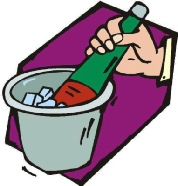
The ideal temperature to store wines is between 55ºF and 58ºF (13ºC–15ºC). However, any temperature between 40º–65ºF (5º–18ºC) will suffice as long as it remains constant.
wp9b51ca2b_1b.jpg
wp8fe236ae_1b.jpg
Article
Index
Open
Kitchen
Recipe
Collection
Picture
Galleries
Guest
Cooks
wpc1089b10_1b.jpg
wp5533b116.gif
wp5533b116.gif
wp5533b116.gif
wp5533b116.gif
wp5533b116.gif
wpdeb351f4_1b.jpg
Read our DISCLAIMER and PRIVACY POLICY before using my site.
Home    Open Kitchen    Shopping    Resources    Contact us    Site Map
Copyright © 2003, 2004, 2005 Anna Maria Volpi - All Rights reserved.