














wpb0336f6b_1b.jpg
wp38934e9b.gif
wp5533b116.gif
wp90fb5200_1b.jpg
Shopping
Mall
wp4c3d598c_1b.jpg
wp457a6db7_1b.jpg
wp5533b116.gif
wpb2373436_1b.jpg
wpaf6a6d4a_1b.jpg
wpc6f58a16_1b.jpg
wp5533b116.gif
wpf7ade5a1_1b.jpg
wpce531f93_1b.jpg
wpbacc69a3_1b.jpg
wp287c512c_1b.jpg
Enduring Olives

By: Joseph George (Bio)
wp9facc36d_1b.jpg
Article
Index
Open
Kitchen
Recipe
Collection
Picture
Galleries
Guest
Cooks
wpc1089b10_1b.jpg
wp5533b116.gif
wp5533b116.gif
wp5533b116.gif
wp5533b116.gif
wp5533b116.gif
wp750d78ab_1b.jpg
Read our DISCLAIMER and PRIVACY POLICY before using my site.
Home    Open Kitchen    Shopping    Resources    Contact us    Site Map
Copyright © 2003, 2004, 2005 Anna Maria Volpi - All Rights reserved.
Cultivation of the olive tree is said to have started more than 5000 years ago and it was an olive leaf that a dove brought to Noah, indicating there was dry land ahead. What's even more incredible is that the oil from the olive is still extracted in the same manner it always has: by crushing it. Olives have been used in almost every possible fashion, from a food source and medication, to currency, in ancient alphabets and even as a source of freedom-olive growers of Ancient Rome were excused of their mandatory military service. Olive oil was used to such an extent in Ancient Greek and Roman cuisine that you were thought barbaric if you used animal fats to cook with. It seems the olive was considered a health food even back then.

The surprising popularity of the olive, and its oil, is really rather paradoxical. Here is a fruit which can be more than 90% oil, yet in today's health and fat-conscious times-during which Americans are consuming skinless chicken breasts, "low-fat" dressings and anything "lite" like never before-olive oil is all the rage and is even considered healthy. Many fine dining restaurants now feature flavored olive oils on their tables in place of the traditional butter for bread, and patrons seem to be gulping it down by the tablespoonful. The sale of olive oil in the United States has almost tripled since 1985, this is largely due, I'm sure, to the publicity olive oil has received as a "healthy fat." While this may be partially true, in that olive oil doesn't contain as much saturated fats as animal fat, a word of caution on this topic: fat is fat and they all contain about the same amount of calories. Lets face it though, small amounts of fat or oil makes food palatable and are excellent cooking mediums; be it sautéing, grilling or frying, almost every cooking method requires some sort of oil or fat application. We all consume some of our calories through fats, and I personally would rather consume mine through such natural fats as that from the olive than from processed junk foods. As with almost everything in life though, moderation is the key.

The olive tree is indigenous to the Levant, in the Eastern Mediterranean, but is now grown and used extensively throughout the entire Mediterranean region. The first Spanish settlers introduced the olive tree to America, and in the late 1800's a professor at the University California invented a method for canning olives to boost the California olive industry. California is now known for its prized jumbo black olives.

Like fine wines, the quality of olive oils varies greatly and there are 3 main grades in which to purchase it: Extra-Virgin, 100% (ordinary) and Blended. It's a rather simple gradation-with virgin being the best quality and blended the least-though it may seem a little confusing at times. The main difference between extra-virgin olive oil and ordinary olive oil is that virgin oil is the pure, unadulterated oil that is squeezed from the olive during the first (or sometimes listed as cold) pressing, whereas ordinary olive oil is usually from the second or third pressing (heat is usually ap-plied), and it is often refined to remove any bitter flavors. Blended oil, on the other hand, is based on the remaining oil which can be squeezed out of the already macerated olive. Blended oil is usually quite bitter and has to be refined and blended with other, blander oils, to mellow its flavors, hence its name. Extra virgin is the most pure and flavorful oil, but also the most expensive. While you might be tempted to choose a lesser quality oil for financial reasons, you may be surprised to find that a small amount of the more expensive oil goes a long way.

The next time you reach for that innocuous looking olive on a relish tray or antipasto, take a moment to think of the importance it has had throughout time in Mediterranean, and currently American, cuisines. As stated earlier, the olive is amazing.


Joseph George
Visit Joseph 's website: http://members.localnet.com/%7Ejgeorge/


Joe is a chef, culinary educator and writer- is a graduate of The Culinary Institute Of America, and The School For American Chefs. He has also studied at The New School For Social Research in New York City and Le Cordon Bleu, in both Ottawa and Paris. He is the past co-owner of the acclaimed Café Cosmos, in Buffalo, New York and has been chef at numerous Buffalo area restaurants. Besides maintaining his own web site (Joe's Cyber-Kitchen) his work has appeared in both national and local publications, including Chef Magazine, Artvoice, Sally's Place, One4.com, Fillet and The National Culinary Review.

He is the author of a self-published book, Basic Elements: A Recipe Book Of Soup And Bread, and also worked as recipe tester for the Northeast Organic Farming Association Cookbook. Joe is currently teaching private cooking classes, and is a part-time instructor at Erie Community College. He lives in Buffalo with his wife Carrie Marcotte and their son Isaac George

Visit Cheftalk.com a food lover’s link to professional chefs
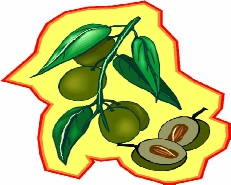
The olive is a truly amazing food; there's no question about it. The age, history and uses of this fruit are so magnificent they almost seem inconceivable and made-up, like a myth. It's been around forever, well almost-olive oil and its seemingly miraculous qualities have been appreciated since the birth of western civilization, especially in the countries surrounding the Mediterranean.
wp5d92c31b_1b.jpg